Freelance Food & Travel
Journalism Recipes & Photography

Freelance Food & Travel
Journalism Recipes & Photography



Georgina Ingham is a freelance journalist with a specialist interest in food & travel.
Food, the cooking, writing about it and of course, the pleasure of eating is at the epicentre of her life. Georgina has a passion for cooking and baking recipes from home and abroad using local, seasonal and ethical ingredients. She also loves to travel which allows an incredible glimpse of other food cultures, traditions, cultures and places; all of which influences her writing and photography.
Georgina is based near Lichfield, Staffordshire.
Learn More
This is a collaborative post. If you've recently attempted to prepare a roast, and your result was a bit less decadent than you hoped it would be, no doubt you've learned that roas...
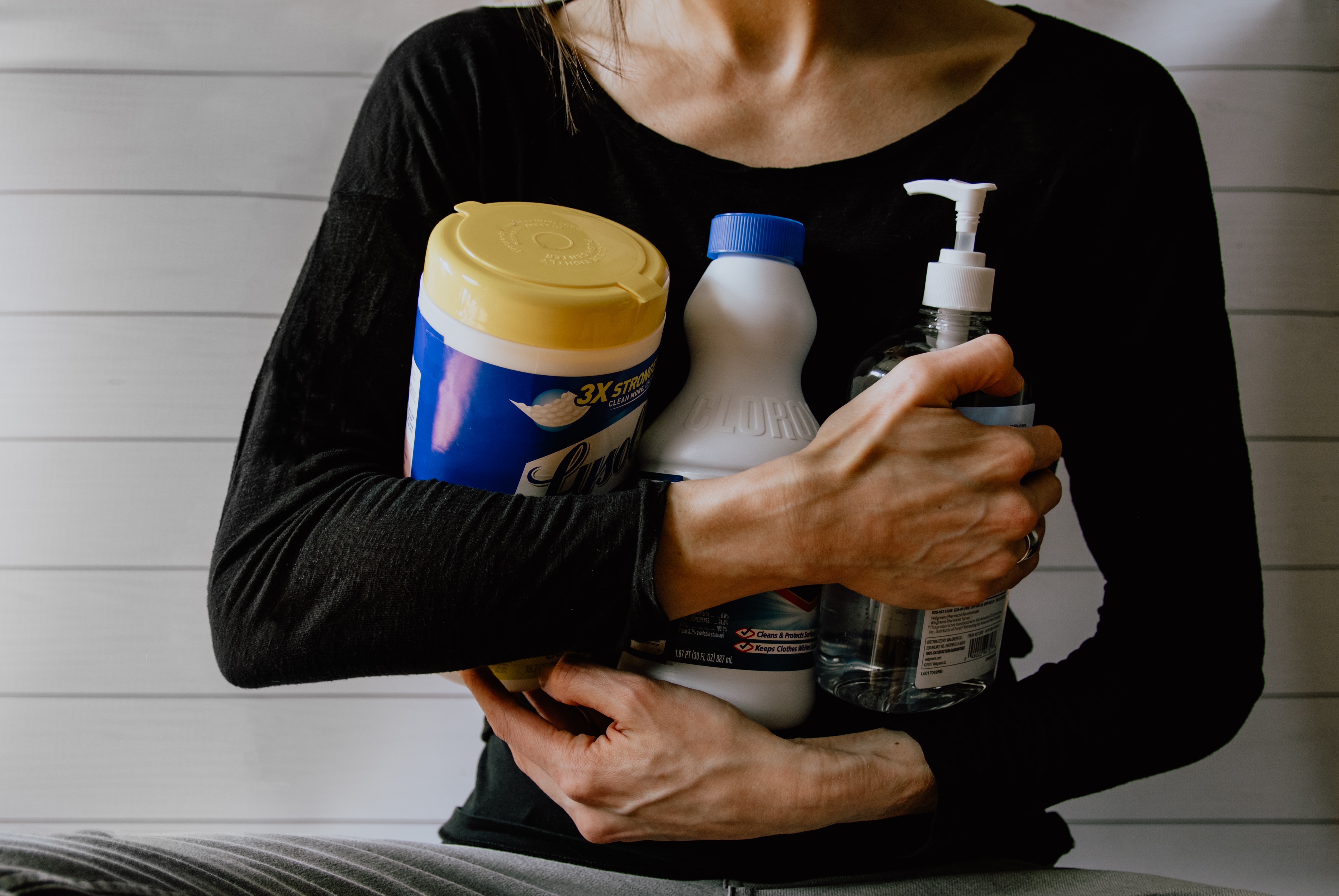
It is believed that the kitchen is the heart of the home. That's because this is where families usually gather to go about their day over sumptuous lunch or dinner. But what if the kitchen is...
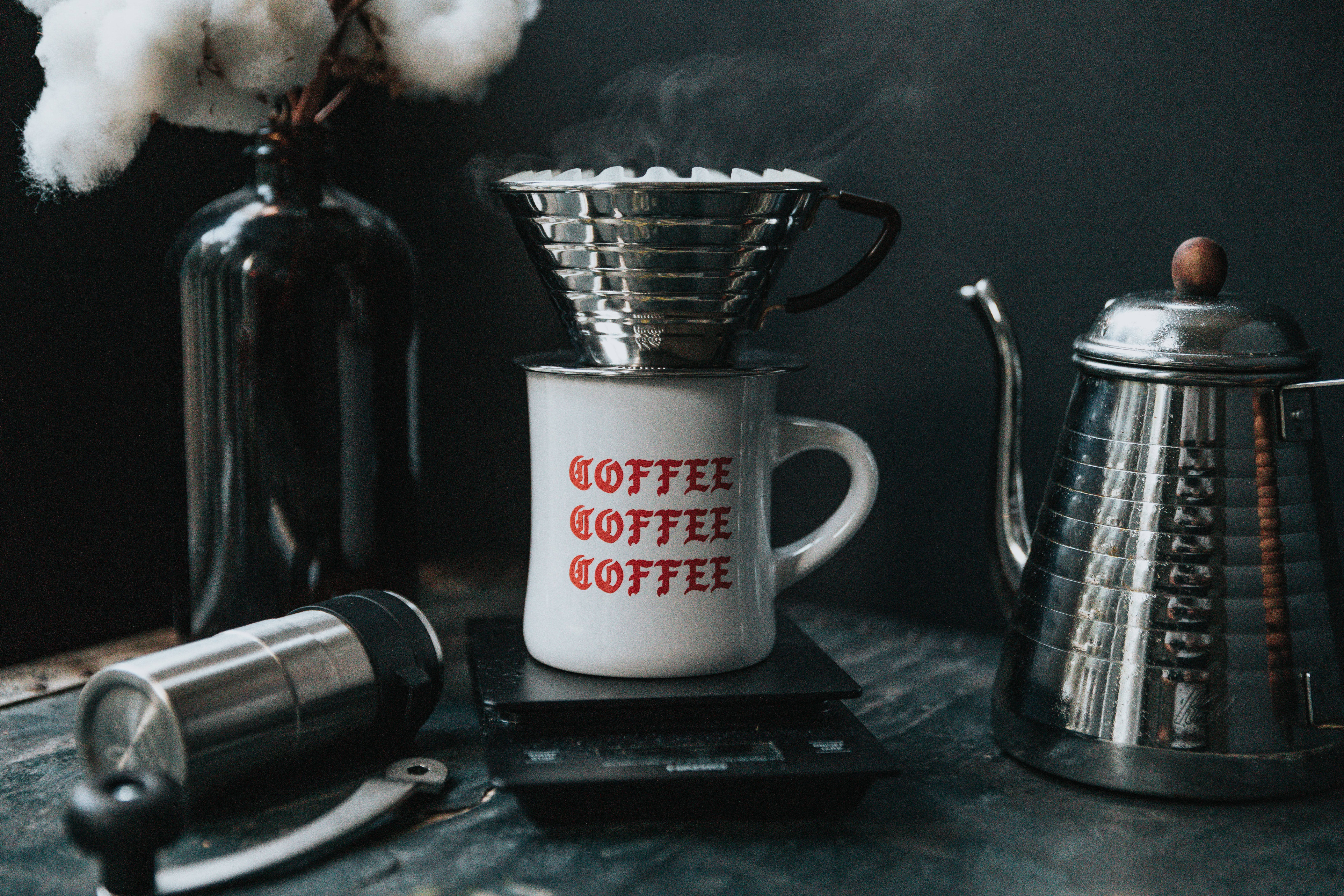
This is a commissioned article. Coffee today - more than just a refreshing drink. The focus is increasingly not only on the intensity of the drink or the amount of caffeine in it but al...
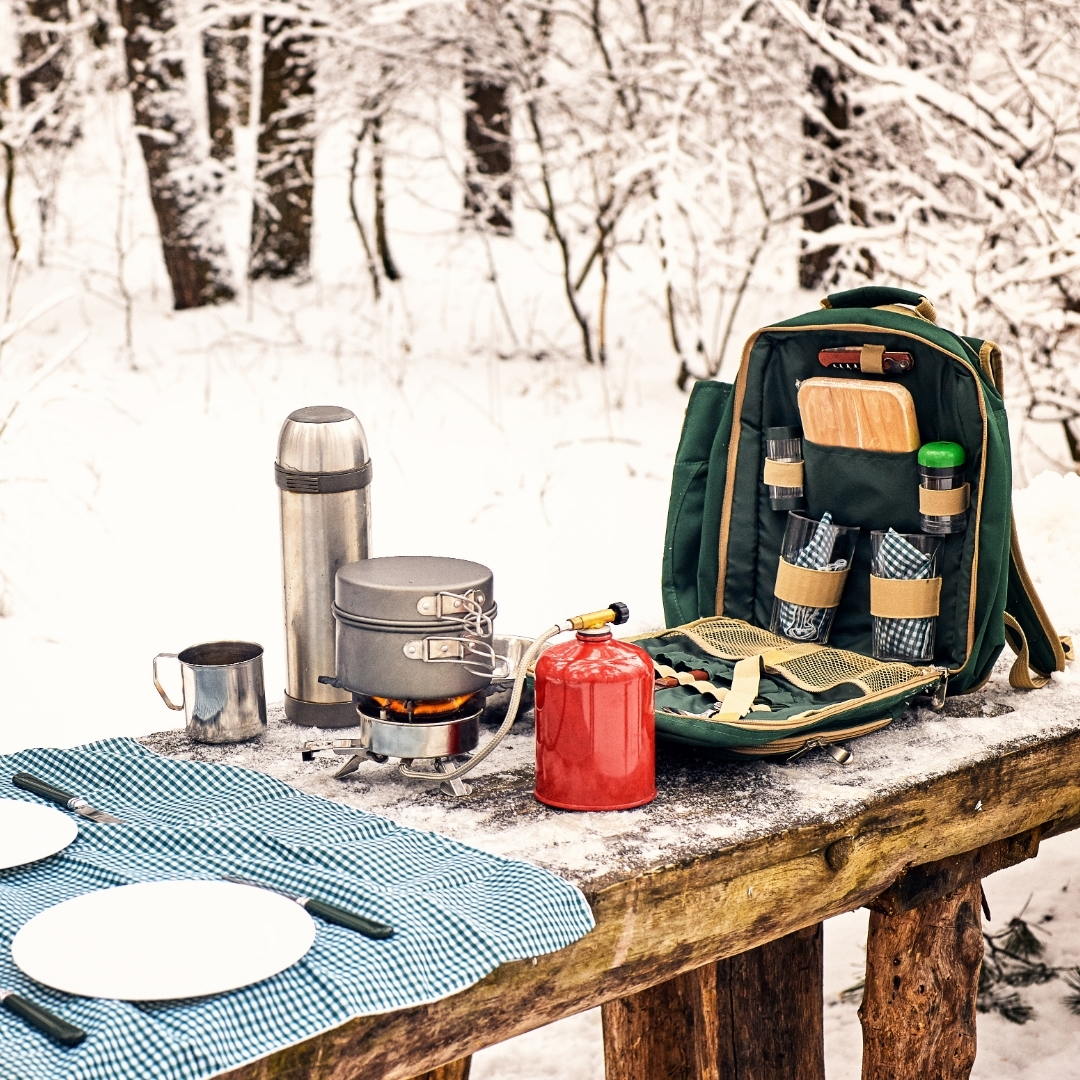
Hiking used to be something to hate, a part of school trips that made me shudder, but recently I've become much more health-conscious and that much more enthusiastic about exercise, especially long wa...
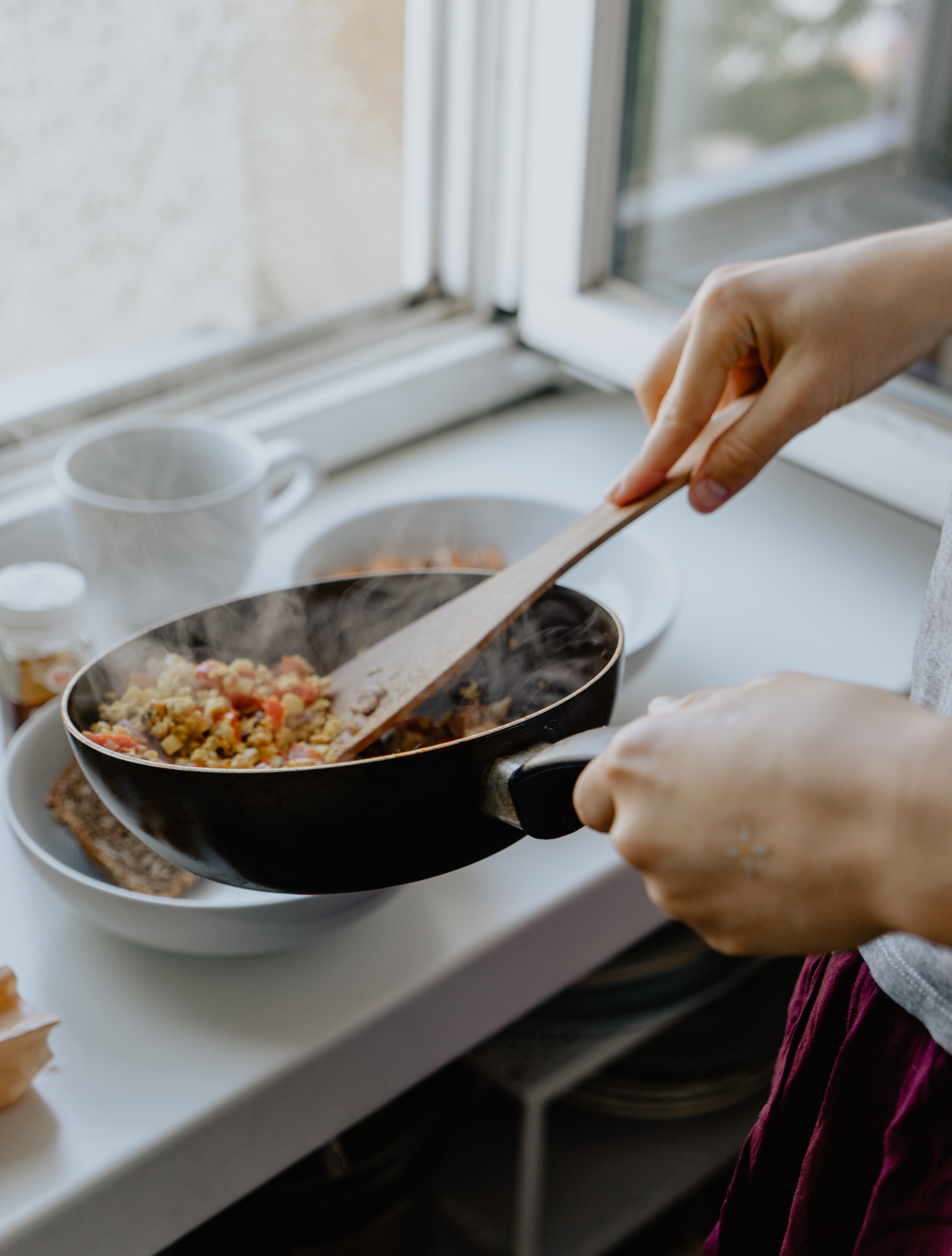
This is a commissioned post. It's a scary thought that a recent study showed many "Brits lack basic cooking skills with many unable to make beans on toast", isn't it? Is it fear of...
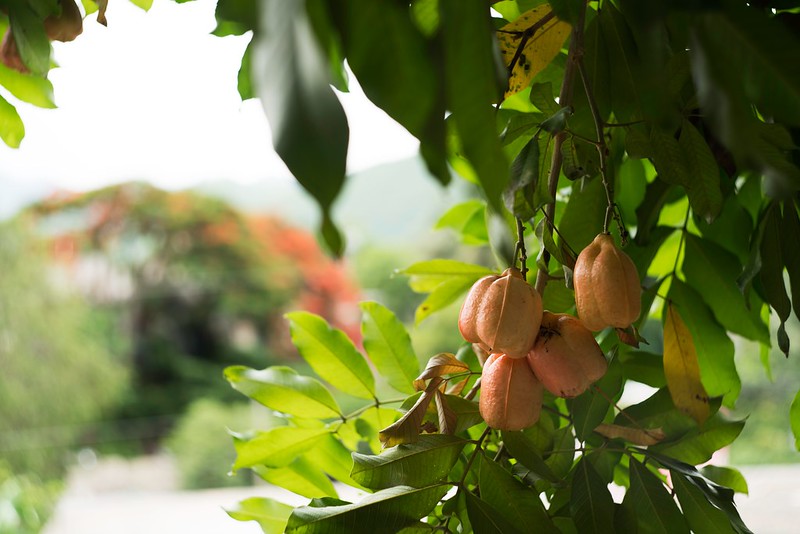
This is a guest post, kindly provided by Malcolm Cano. He is a chef in the past and the editor of a print media About Cooking till Nowadays. After years of work in the culinary field, Malco...
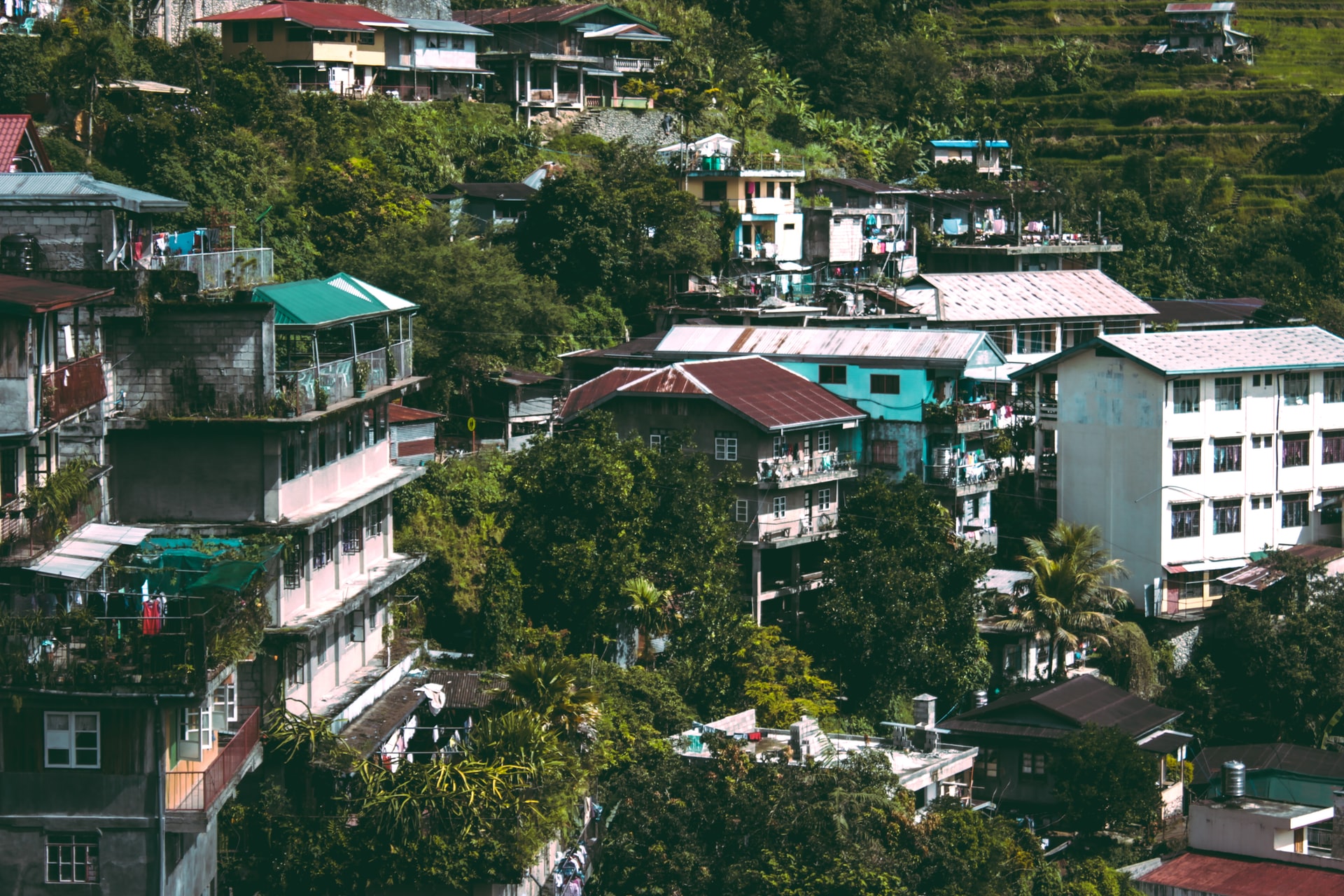
This is a commissioned post in collaboration with Sharemoney. The Philippines is known for its various historical landmarks and a host of scenic tourist spots that make it so enticing for bot...
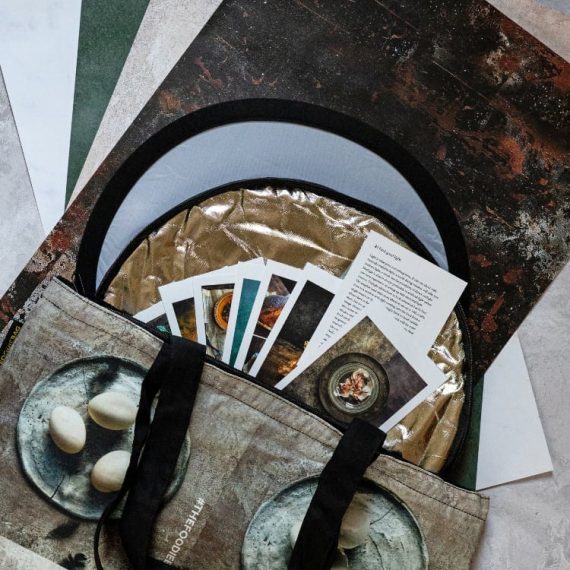
This is a commissioned post in collaboration with Paper Bag Co. With an estimated 500 million active users uploading 95 million photos and 250 million stories every day, Instagram h...
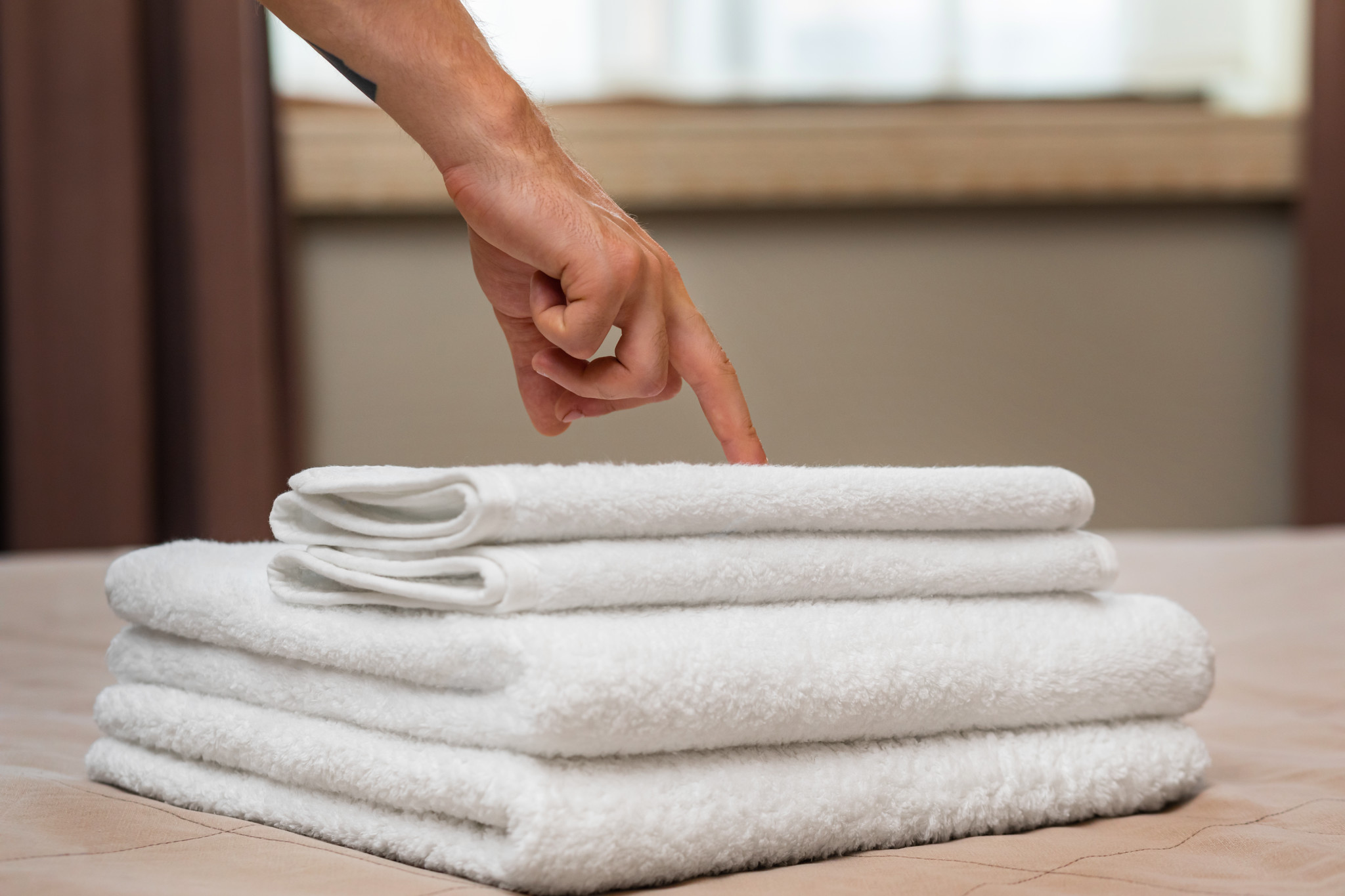
This is a commissioned post in collaboration with Soji. After the events of 2020, it is likely that post-Covid travel will never be the same again. From COVID-stamped passports to mandatory m...
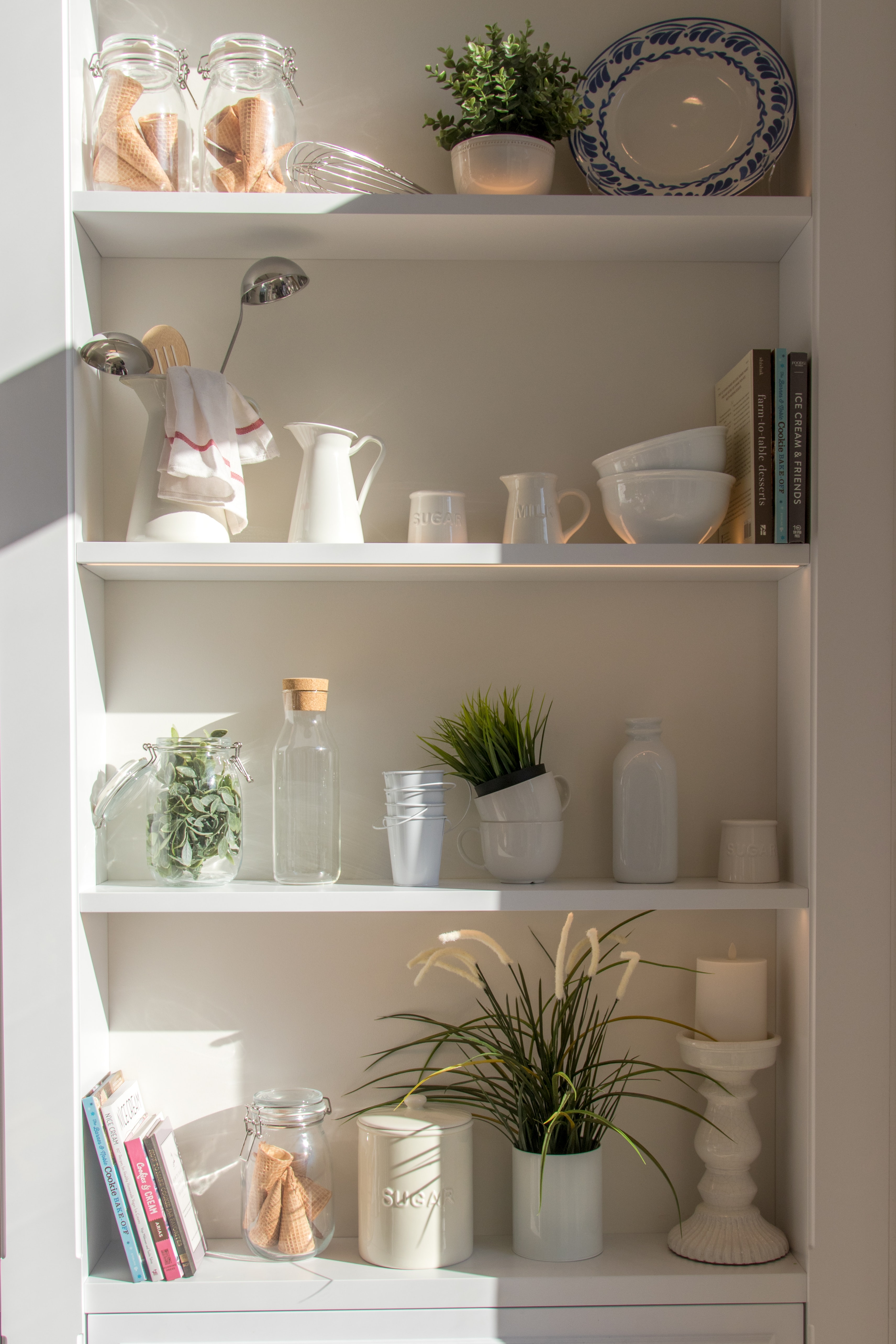
This is a commissioned post. While most kitchens do not have the adequate space needed for a large rectangular pot or statement style, there is always an option to redefine the space using sm...
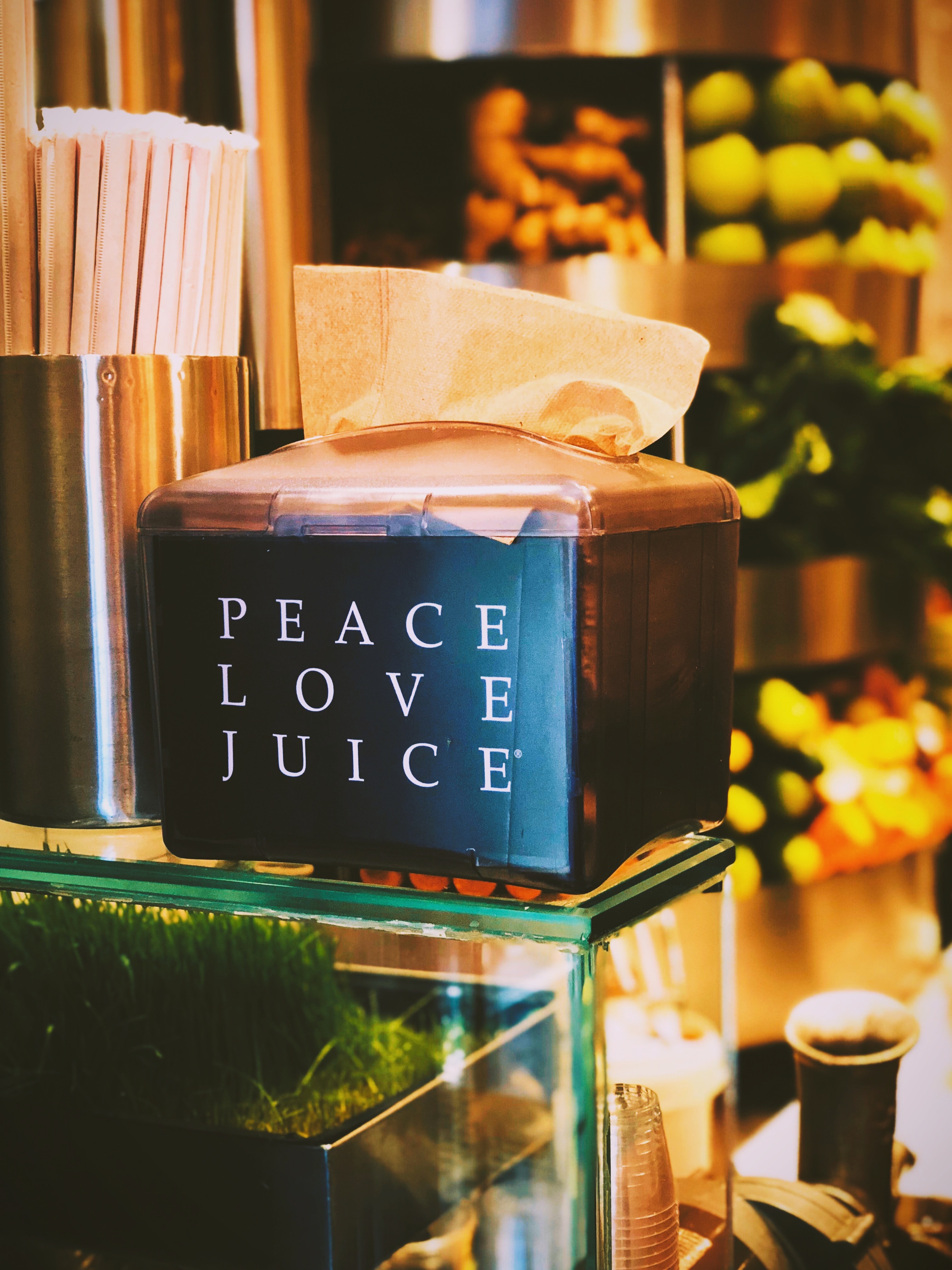
This is a commissioned article. Sweet potatoes are so versatile, plus they're a great way to improve your well-being. Juicing this vegetable will unlock these health benefits. For examp...
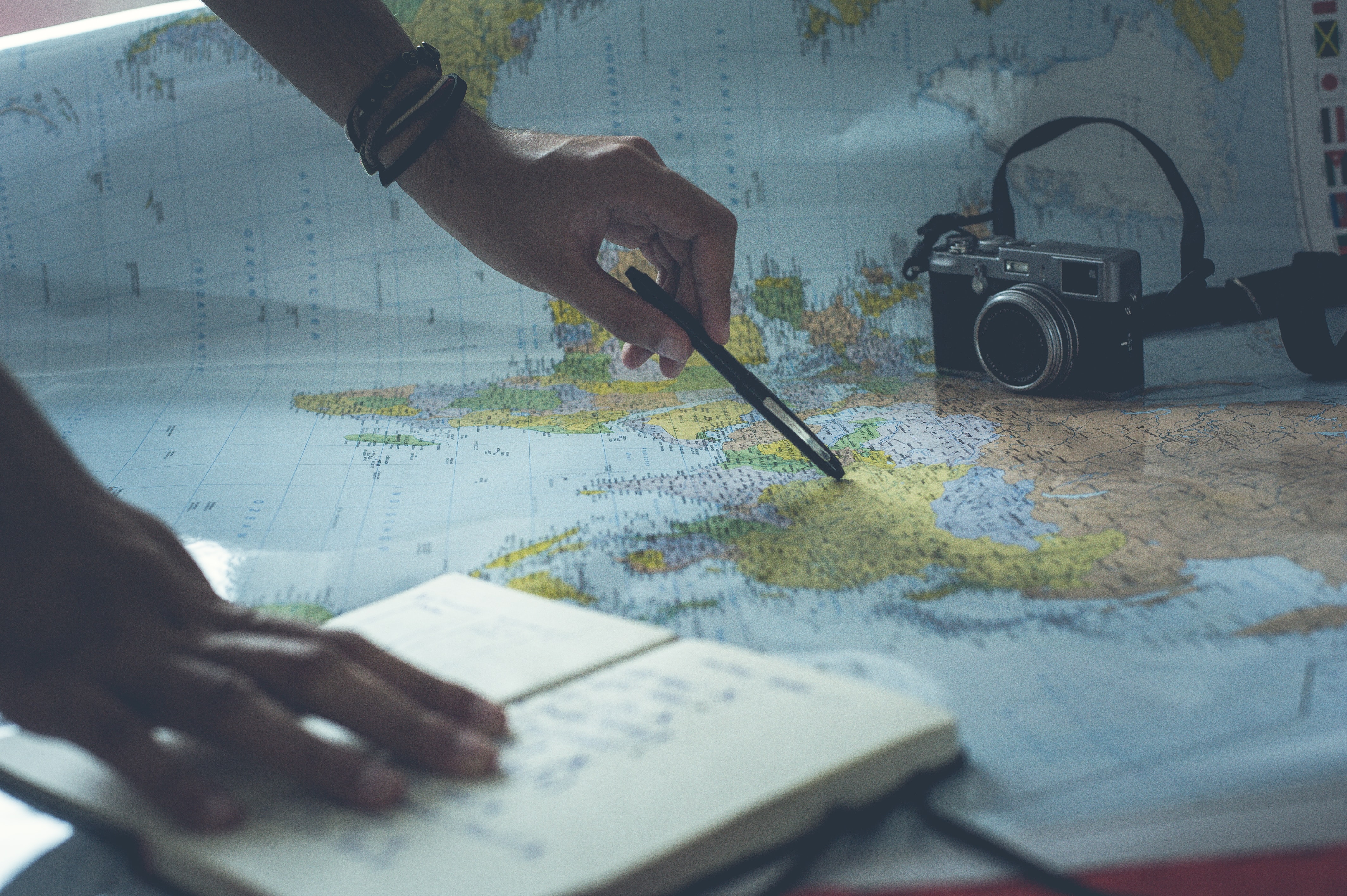
This is a commissioned article. We are still healing from the global pandemic. The economy suffered from extreme loss. Most countries decided to close borders and implement travel restriction...



What Our Followers Say
"Oh yum!!! I could eat one or two right now!"
Sami Tamimi
"Such a beautiful pic!"
Nigella Lawson
Our list of things to do in Cork has just expanded hugely thanks to Culinary Travels.
Triskel Art Centre Cork